 Breast
cancer will be experienced by at least 1 out of 8 women reading this material
over the age of 70.
Breast
cancer will be experienced by at least 1 out of 8 women reading this material
over the age of 70.
Breast Cancer (Our ordeal 2009/2010)
Our unconventional approach to this dreaded disease
Note: Some of this information in this feature is stale. The medical communities throughout the world have been working feverishly trying to refine the various testing procedures. Most are dedicated professionals and there have been major breakthroughs. Using the information in this feature could very well tell you whether the medical contacts you have made are up to speed, because for different reasons some are still stuck in the past.
Breast
cancer will be experienced by at least 1 out of 8 women reading this material
over the age of 70.
A woman’s chance of being
diagnosed with breast cancer is:
From age 30-39 . . . . . . 1 out of 229
From age 40-49 . . . . . . 1 out of 68
From age 50-59 . . . . . . 1 out of 37
From age 60-69 . . . . . . 1 out of 26
From age 70-85. . . . . . .1 out of 8
It was the scariest experience my wife and I have had in over 50 years together as it first appeared that we were really in the soup. Instead of going along with the conventional wisdom of the current medical establishment we researched and came up with a different outlook and approach at least as far as we were concerned.
Standard of care after tissue examination and malignancy is found in most breast issues is radiation and/or chemotherapy. We went a different route.
Two Scenarios
Below are two scenarios that can be considered but there are many scenarios that can take place with the insidious disease of breast cancer.
The first scenario is where after discovery of a problem, there is clear margins around a lumpectomy, there are no lymph node implications and last there is no indication that there are circulating cancer cells in the body.
The second scenario is converse to the above, where there is an intrusion past the margins in the first surgery, there is lymph node involvement in the sentinel node as well as other nodes up the chain and last there are circulating cancer cells in the blood stream. I am sure there are cases where there are some of the above but not all. This is where your medical professionals enter the scene.
As far as any scenarios in between again this is where your Doctors comes into the picture and with you making the final decision. As you will note we mention "Doctors" with an S because anyone entering this dreaded time of their life needs the opinions from multiple sources because if you rely on the first facility you contact to make the final decision on your path this could be a fatal mistake. There are many Doctors and pathologists that become better Doctors when they know their opinions will be scrutinized by others in their field although I believe they would not admit it.
There are many options over and above "Standard of Care"
The biggest question is the cost factor for tests and procedures that are not covered.
One example was when we visited MD Anderson in Houston and we were asked whether they could request tissue samples from the New York hospital we had the procedure done at. We were told flat out that if they received the samples the lab test cost would be $2200 dollars. We agreed but you will read where the New York facility would not release the samples.
Before the 2 scenarios above can be considered a discovery process takes place with imaging tests as well as a physical exam. In our case the physical exam produced a concern where the imaging failed to do so. If a lesion is discovered a biopsy is usually performed. In some cases it is done in a lumpectomy process where they hope to remove the entire problem along with taking tissue samples to determine whether the problem has exceeded the surgical margins.
In addition it is common for the surgeon to locate and remove what is called the sentinel node, the first node that could be involved with a spreading concern. If this node is involved with on the spot pathology (While the patient is out on the table) and it is questionable whether the surgeon may decide to remove more nodes up the chain to see what the extent of the spreading issues are in the lymph nodes.
In the past surgeons after encountering a questionable sentinel node will decide (on the spot) to take multiple nodes as many as 12 out of a crop of about 25 in the axilla area near the breast that is involved. Many surgeons have reduced the amount of nodes taken because of the consequences (Lymphedema) as many women have had to suffer from lympedema the rest of their lives when they are short changed by taking more nodes than necessary. More nodes can always be taken after the first surgery and perhaps handled on a outpatient basis.
Personally I would not allow multiple nodes to be taken on the first surgery perhaps 3 or 4 maximum even if they may be determined to be involved on the spot. I would prefer the status of these nodes to be examined in a lab under better conditions than the operating room and tissue samples saved for a second opinion. A second opinion would be a must under these circumstances.
In closing this segment I might add that in our case where we were in the first scenario classification, clear margins, no lymph node involvement, 3 circulating cancer cell test all 3 facilities recommended at least radiation and two recommended Radiation and Chemo.
Opinions
We have all heard of second and even third opinions. At first in our experience we were reluctant to seek other opinions, but decided to get the views of 3 medical institutions that included the renowned MD Anderson Cancer Center in Houston Texas. It was there that we were alerted to the fact that there can be drastic differences in the diagnosis of anything. Diagnosing cancer is not cut and dried. It is complicated with all due respect to the cancer industry.
To be specific in our case, we started out with a relatively non threatening Ductal Carcinoma Insitu, a 4 mm lesion that was excised and found to be low grade type 1 that some in the medical community do not even consider to be cancer. In a short while we had the surgery to make sure we were dealing with clear margins around the original site. After the tissue was examined a pathologist came back with the possibility of a triple negative diagnosis, that is of a major concern as it is one of the breast cancers that are difficult to deal with.
A professor at one of the medical institutions questioned the two diagnosis, one being the original tumor being low grade type one and invasive tissue being triple negative. She implied that this was very questionable and requested tissue samples to be sent so they could investigate the case in their lab at a cost of $2200 mentioned above. The hospital that had the tissue refused to send the tissue samples and wanted telephone conversations instead. This is the last we heard from either medical institution, but it certainly alerted us and prompted us to check further into our options and you will read below where we contacted a reputable lab in Germany and got another stunning view of our case. I might add that one institution suggested radiation at the least with the information we had at the time and my guess is chemotherapy to follow. We declined.
What we Weighed
 Depending
on the circumstances, you will have a choice as to whether or not you should
subject the patient to Radiation and Chemotherapy. First and foremost was
the differences in diagnosis, pathology between 3 medical institutions. The circumstances that
we had, clear margins after surgery, MRI after surgery negative,
Lymph nodes negative, other than a questionable sentinel node finding that
prompted the removal of a major amount of lymph nodes, that recently has been
brought to question and we cover this issue below in this feature.
Depending
on the circumstances, you will have a choice as to whether or not you should
subject the patient to Radiation and Chemotherapy. First and foremost was
the differences in diagnosis, pathology between 3 medical institutions. The circumstances that
we had, clear margins after surgery, MRI after surgery negative,
Lymph nodes negative, other than a questionable sentinel node finding that
prompted the removal of a major amount of lymph nodes, that recently has been
brought to question and we cover this issue below in this feature.
Blood tests including the Circulating Tumor Cell test (We have had 3 taken, 3 months apart) that we have read is very sensitive and can detect whether tumor cells are circulating or have already impinged on other organs, what they refer to as metastasis. We had 3 other test periods of 2 other cancer detection blood tests that were negative starting immediately after lumpectomy. In addition we have had 3 very thorough physical exams by a great oncologist of the subject breast and peripheral areas. Last 2 ultra sounds negative. We were on the fence regarding Mammograms although we finally relented to the test after we were convinced that the new technology was better and safer. The test proved negative.
So we haven't been sitting around with our fingers crossed wishing for the best.
Of course if the circumstances were different and if there was a clinical diagnosis that there was an imminent threat as in a clear cut invasive situation and questionable margins of malignancy, we would not have declined the recommendations from the 3 medical institutions we visited for second and third opinions. Yes they all recommended Radiation and Chemo regardless of our circumstances as stated above, because this is what they do to protect themselves liability wise plain and simple and really who can blame them?
The major concern we had was if we had to subject to Chemotherapy were we going to receive the very best and most effective treatments available. You might think that everyone receives the best treatment but in most cases Standard of care treatments for Breast cancer may not be the best especially if they do not run a chemosensitivity test under a very sophisticated process and at the time the only process of this nature was performed in a foreign country with out of pocket expense. We were prepared to do this if necessary.
CTC (Circulating Tumor Cell Testing)
Below is a feature I have stored for future reference on Cancer Cell tests
The link below is the full feature that I used to obtain the segment in this
feature below. I would suggest you save this information and making it
available to anyone that faces cancer and the post treatments used. Keep in
mind that the renowned MD Anderson in Texas works closely with the German lab
mentioned and the one we contacted. We visited MD Anderson thanks to my
daughters contacts there in Texas as she used do contract work with the huge
medical establishment out there. This was with my wife's breast issue and
they are right on top of this new technology CTC'S, but that does not mean that
it is available to all. If they publicized this information it would bury the
oncology departments all over the world and they would not be able to conduct
their standard of care formats that are effective to some degree. We insisted
on the test and "threatened" to pay for it. We got the tests and were never
billed. Medicare accepted it and my guess is that they feel these tests could
save them a pile of money.
I think one of the most significant parts of the information below is ........
"This waiting may become a thing of the past,
(They are referring to waiting to see if certain treatments are working) as
recent studies have demonstrated that CTC testing can reliably predict the
response to treatment during the early phase of
therapy."
Link to full feature
http://www.lef.org/featured-articles/Circulating-Tumor-Cells-Assays-A-Major-Advance-In-Cancer-Treatment.htm
Circulating Tumor Cells Superior to Imaging Tests.
Significant parts below........
Researchers have also discovered that CTC evaluation may be more accurate than standard imaging tests at predicting the prognoses of metastatic breast cancer patients. Traditionally, imaging tests have been used to evaluate the effectiveness of treatment in those with metastatic breast cancer. The response to treatment is often determined by measuring changes in tumor size with CT and MRI scans. In a groundbreaking study performed in 2006, metastatic breast cancer patients had imaging tests done before and 10 weeks after they began therapy. The results of the imaging tests were reviewed by two independent radiologists. CTC were measured 4 weeks after the start of therapy. The researcher’s findings were astonishing—the group which responded to treatment based on imaging tests (i.e. the tumors got smaller) and had 5 or more CTC had a worse prognosis than the group with CTC counts less than 5 that showed worsening of their disease on imaging studies! These findings suggest that the levels of CTC were far more important at predicting survival compared to the actual visual changes noted on imaging tests. Further analysis established that CTC testing had superior reproducibility compared to imaging studies. There was a 15% disagreement in the interpretation of the imaging tests between the two radiologists, compared to less than 1% variation in the results of CTC testing. The authors of this study declared that "this advantage in reproducibility implies that inaccurate disease status evaluations and inappropriate treatment decisions are less likely with the use of CTC assay than with radiographic studies." They went on to enthusiastically conclude that "the assessment of CTCs has several advantages over serial radiographic evaluation. The CTC assay is more reproducible than is radiographic evaluation, shows useful results at an earlier time point than do radiologic studies, and seems to be a more robust predictor of survival than is radiographic response."
One of the most exciting potential uses of CTC technology is to allow doctors to evaluate treatment effectiveness during the early phase of therapy. Historically, cancer treatment decisions have been based on the results of large studies comparing the effectiveness of different treatment regimens. These studies have shown which treatments are statistically likely to produce the best results for a large number of people. However, these treatment guidelines do not predict how an individual person with cancer will respond to a given treatment.
For many cancer patients the course of the disease, and the response to treatment, can be highly unpredictable. One person might have an excellent response to a given chemotherapy regimen, while for another person the same regimen might not have any effect at all. For this reason, it is extremely important to have the ability to quickly evaluate a person’s response to treatment. Ideally, doctors would obtain this information during the early course of therapy. If the cancer is not responding to treatment then appropriate treatment changes can be made. Another very important consideration is the significant toxicity that is associated with cancer treatment. If it can be determined that a treatment is ineffective during the early stage of therapy, then the treatment can be discontinued before it can cause severe toxicity.
Up until now, doctors have often had to wait at least a few months before they can assess the effectiveness of treatment. This inability to evaluate a treatment’s efficacy during the early phase of therapy can have disastrous consequences for the person with cancer. Those three months of waiting to know if the treatment is working can make the difference between altering therapy to reflect the lack of response, or continuing with an ineffective treatment and allowing the cancer to progress. This waiting may become a thing of the past, as recent studies have demonstrated that CTC testing can reliably predict the response to treatment during the early phase of therapy.
In an important study11, 163 women with metastatic breast cancer were tested for CTC at four different times during the course of treatment. The first measurement of CTC was taken approximately 4 weeks after treatment had begun. At the first measurement the researchers discovered that those patients with less than 5 CTC had a median overall survival of greater than 18.5 months. Those with 5 or more CTC had a median overall survival of only 7 months. Additionally, 66% of those with 5 or more CTC had died after one year, compared to only 19% of those who had less than 5 CTC! Thus, as early as 4 weeks into therapy CTC testing determined which patients were not responding and whose cancer would continue to progress with ineffective treatment.
The authors of this study concluded that "detection of elevated CTC at any time during therapy is an accurate indication of subsequent rapid disease progression and mortality for metastatic breast cancer patients".
In a related study10, 138 women with metastatic breast cancer had CTC measured 4 weeks after the start of therapy. The median overall survival for those with 5 or more CTC was 8.5 months. Those with a CTC count less than 5 had a substantially greater median overall survival time of 22.6 months! Also, 84% of those with a CTC count less than 5 were alive after one year, compared to only 38% for those with a CTC count of 5 or more. The findings of these studies illustrate the tremendous potential of CTC testing to accurately predict the effectiveness of treatment during the early stage of therapy.
One of the most important questions a person has after they receive treatment for their breast cancer is, "What is the likelihood that I will have a relapse?" Although statistical predictions for relapse can be made for large groups of people, this is a question that doctors are not able to answer with great accuracy for the individual woman with breast cancer.
However, a growing number of studies have revealed that CTC testing can accurately predict the likelihood of recurrence in breast cancer patients after they receive treatment.
In 2006, scientists in Spain measured the presence of CTC in 84 high-risk breast cancer patients after they received initial chemotherapy.12 The researchers found dramatic differences in the relapse rates between those who tested positive for CTC, as compared to those that did not have any CTC detected in their blood. The group testing positive for CTC had a 269% increased risk of relapse, and a 300% increased risk of death, compared to the group testing negative for CTC! Further analysis showed a striking 53 month difference in the time to relapse between the groups.
In a related study13, German scientists in 2008 studied 25 women with breast cancer that had not metastasized. They measured CTC levels before and after the patients received chemotherapy. The results showed that relapse occurred in only 9.3% of patients whose CTC levels indicated a decline, no change, or minor increase when compared to baseline CTC levels. There was a substantially higher relapse rate of 40% in the group with a CTC increase at the end of therapy.
The same German scientists this year completed a study of 91 non-metastatic breast cancer patients receiving chemotherapy.14 Measurements of CTC were taken before, during, and after the completion of chemotherapy. After a follow-up period of 40 months, 20 of the women had experienced a relapse. The investigators determined that the group with a greater than 10 fold decrease in CTC after treatment had a relapse rate of only 3.6%! The group that experienced a greater than 10 fold increase in CTC after treatment experienced an alarming relapse rate of 42.4%. The results of this study can have far-reaching implications for breast cancer patients in the future, as those with a greater than 10-fold increase in CTC after therapy are at much higher risk of relapse and might be candidates for more aggressive treatment. These researchers concluded that "…circulating tumor cells are influenced by systemic chemotherapy and that an increase…of 10-fold or more at the end of therapy is a strong predictor of relapse and a surrogate marker for the aggressiveness of the tumor cells."
Radiation and Chemo?
The major reason we decided to take the path that we did that included the tests stated above was we learned that Chemo and Radiation can be debilitating. Recently there was a major concern regarding skin lesions from these treatments. We looked at my wife's current state of health that was excellent with the exception of a knee issue that was totally replaced a few months after her breast procedure, that for some was unorthodox as most under the threat of metastasis would have a tendency to avoid the stress that is involved in a total knee replacement, and this is understandable.
On the other hand we felt that she had a real good chance of handling whatever threats of metastasis there was especially on the strength that there was no evidence of it and you will read below the contacts we made in Europe that advised patients that had no signs of tumor cells to do nothing. This was providing they were diligent with periodic testing of all kinds, blood, imaging and physical exams that we feel is the gold standard of breast cancer detection.
We believed that if she subjected herself to the rigors of Radiation and Chemo that she would be dragged down as so many are and actually become more vulnerable to a marginal threat that included the risk of the months of rehab from the knee replacement. Ironically we actually felt that the exercise therapy imposed by the knee replacement was a huge benefit to a cancer patient in addition to the "junk yard dog" approach we took and everyone else should take if threatened with the aftermath of an initial lumpectomy, that proves to be malignant, invasive or not.
A Magic Bullet?
Lets face it folks Radiation and Chemo for some is considered a magic bullet and gives a patient the notion that they can go on with their errand ways in particular, a lousy diet and lack of exercise. There are a few that do the treatments and dramatically change their lifestyle, but my guess a pitiful few.
Now let me stress again, whether the cancer has breached a milk duct or not is significant. If there was invasion, a breach of the milk duct, where they are able to obtain clear margins on a subsequent procedure? There are surgeon that do not hesitate recommending radical mastectomy under any invasive circumstances. This really blew our minds when the possibility was mentioned.
We personally believe that if the lymph nodes are clear and there is a great deal written on the gray lines of the sentinel node procedure, but again if a number of nodes are removed from the axilla areas etc. and they are clear of malignancy this is an indication that cancer cells may not have escaped these nodes and entered the blood stream. If there is a possibility that there was a penetration (into the body) and this is one of the thrusts behind the Chemo recommendations, we believe with the strength of the Circulating Tumor Cell tests that a delay in chemotherapy is in order, but again this is our laymen's opinion and the path we took.
Last you will read below a host of measures we took after we found out the bad news and it scared the hell out of us.
The measures we took are detailed and we are religious with them every day and will be for the rest of our lives. They support the immune system, because in the majority of cancer patients the immune system is the most powerful deterrents to cancer and its return.
We would invite you to go into our Http://www.blueeyedcurse.com/BadNews.htm feature and if you can't handle the extent of this entire feature at least scroll down to the segment on NKC activity and try to digest how awesome the Natural Killer Cells are in the body if you don't destroy them in one way or another. It is simply fascinating.
I personally believe that well intentioned Oncologists and most recommend Radiation and Chemo in most cases because they simply do not believe that the patient has the willingness and fortitude to do what they can do naturally and let the bodies defense system handle the problem. This explains why in a recent survey in 80% of the oncologists that were diagnosed with cancer opted out of treatments for at least a trial period while they went through the regimen or something we recommend. It is all below folks.
Lets start with the feature, some of it is repetitious from the above information but this could be important if it helps anyone including the author of this to get a handle on this critical topic.....

Your Doctors
When we met with the first oncologist after the lumpectomy they scheduled my wife for a port to be installed somewhere near her neck to accept the chemo that would have taken months to complete and we declined. In fact we were startled by the suggestion as we had done preliminary research, not only homeopathic, but conventional approaches and found out that throughout the world the immediate therapy in the States was not always the norm.
Our Research
One of the biggest concerns we had was the negative effects chemotherapy is notorious for. We won't get into the nausea, loss of hair and other superficials although we did have a concern what the psychological affects would be and how much they could take a patient down that had a chance in beating the problem without therapy as mentioned above.
It is reported that chemo therapy can compromise ones immune system. In addition the reported disengaging of the potency of the Natural Killer Cells produced by a healthy body was certainly a factor in our decision process.
In our research we felt if we had to do chemotherapy we were concerned with how well it worked if at all. We also received information that certain chemotherapy drugs can be devastating to the cardiovascular system. In fact we had two personal contacts where family members were believed to succumb to the therapy versus the disease itself.
In our desperate search for alternatives we came upon the Biofocus laboratory in Germany that did chemo sensitivity tests to determine what therapies would work, what would not and what therapies had the ability to either injure the patient or even kill them. The German process depends considerably on the DNA information obtained and to design hopefully something that will be effective rather than the hit and miss "one size fits all" approach my wife was asked to do by 3 medical institutions.
Keep in mind we have the highest respect for all the medical institutions that we visited. In view of the fact that we chose not to do treatments we have no idea how well these therapies would have worked or whether we would have experienced the reported negative consequences of these therapies.
A Guess?
The German process isn't just dropping a guess into a test tube with the patients blood sample and seeing if it works or not, through the process of elimination. This process is much more sophisticated and one of the reasons the US has not been able to do this (as far as we know) on their own yet.
We checked the credibility of this lab and discovered through communications with the head director of MD Anderson in Texas the renowned cancer hospital that they were well aware of Biofocus's work and applauded it. In addition at the same time the Cleveland Clinic said that this new technology was the biggest breakthrough in cancer treatment for 2009. Our understanding is that this process was not accepted at that time in the U.S. generally, but they are getting real close from what we have heard recently from an Oncologist that attended a breast cancer seminar in Chicago recently. The medical community is really trying to beat this thing but there is one obstacle in the way and that is LIABILITY.
Do Nothing, Really?
We contacted and received information back from the head director of this lab. He said that “They could only do the chemo sensitivity tests if there were enough cells to test” Those were his words verbatim. Of course the first question we asked was whether we had enough cells to test? The second question was if we didn't have enough cancer cells to test were we trying to fix something that wasn't broke?
We wrote back and asked him what we should do if we discovered that there were not enough cells to test and we learned that we could have (CTC) Circulating tumor cells checked here in the States and our insurance and Medicare would cover the costs. His response was “Do Nothing” I was personally floored by his response because it was 180 degrees from the routine that all of the institutions we visited suggested. Again we were simply floored.
We relayed this information to the head director of MD Anderson and his associate professor as well as the Oncologist in Florida with a personal visit. In both instances there was no comment other than their understanding that it was used in stage 4 cases. We are of the understanding that new modalities in testing in the past few years were bringing in lower stages with very good accuracy and did not need a massive amount of cells as in stage 4 cases.
New Chemosensitivity Testing in the States
Below is a link to new testing processes being done in the States now. There appears to be a different protocol using the tests in the link below and the Biofocus protocol. My understanding is Biofocus uses a DNA protocol where the tests below uses a process of elimination where they take a biopsy, try different combinations in the test tube and see what has the most effective result in destroying cancer cells.
Now where the new testing recently dramatically reported (As little as1 cell in a billion etc. ) by Johnson and Johnson in the Boston area comes into the picture is not clear to me being a laymen. There is a question whether they can isolate this minute amount of cells and if they can will be able to find the right drug regimen to kill these cells and not the patient. If you recall we were told by a Doctor at the lab in Germany that they had to have enough cells to test and it they didn't have enough cells to test his personal recommendation was to do nothing. In other words he was not speaking for the lab, but he was one of the head honchos.
All I can say with the thousands of variables in cancer testing and treatments, we all should study the latest technology. It will differ from institution to institution and certainly requires some due diligence on the patient and families part before jumping into the fire. I think one of the most significant points brought out in the link below is the cost of some of the new lab tests and whether they qualify or not for insurance reimbursement. One problem is that some medical facilities do not bring out the fact that these tests are available, but the patients may have to pay for them.
http://breastcancer.about.com/od/newlydiagnosed/a/chemosensitive.htm
If Slam Dunk
 If anyone is
faced with a slam dunk determination that you need therapy, just asking your
oncologist whether you can obtain these chemosensitivity services and volunteer
paying for them. This could very well result in
obtaining them with the blessings of the oncologist. If you don’t ask you may
very well be subjected to standard of care, because marching patients through
this process is the most practical approach at this time.
If anyone is
faced with a slam dunk determination that you need therapy, just asking your
oncologist whether you can obtain these chemosensitivity services and volunteer
paying for them. This could very well result in
obtaining them with the blessings of the oncologist. If you don’t ask you may
very well be subjected to standard of care, because marching patients through
this process is the most practical approach at this time.
Sophisticated processes take time, money and effort and it just might not be there for everyone except the patient that goes along with the theory that “The squeakiest wheel gets the most oil”. Squeaking the loudest could be a matter of life or death. Keep in mind that these tests are not covered by insurance (At least the chemosensitivity testing) so when you squeak you had better be prepared to open up your pocket book. If you have the tumor cell test done, plus the actual chemosensitivity testing of the blood in Germany you are talking in the neighborhood of $3,000. It was reported in the link above and below that the testing had a $800 cost and was not covered by insurance yet that is. http://breastcancer.about.com/od/newlydiagnosed/a/chemosensitive.htm
There is a question regarding Germany's protocol and the amount of cells tested versus the U.S. testing. Personally if we were faced with the decision now we would have the CTC test done in the States and possibly engage in the new chemosensitivity test in the link below before we decided to have blood sent to Germany, have them test for cell circulation and if the tests confirmed the tests in the States were accurate or for that matter using the Germany tests on their own two feet, we would proceed with the chemosensitivity testing. Hopefully once we receive the results we would be able to receive treatment back in the States using the German recommendations. There are medical facilities that use the German recommendations. This is complicated stuff folks make no mistake about it.
ACES in the Hole
 It
is our opinion with enough aces in the hole a patient may not have to jump
into the frying pan of Chemo and Radiation immediately after a breast
lumpectomy that is positive.
It
is our opinion with enough aces in the hole a patient may not have to jump
into the frying pan of Chemo and Radiation immediately after a breast
lumpectomy that is positive.
The three aces in the hole.....
Clear margins determined by pathology after surgery.
Imaging performed after surgery, Ultra sound and MRI to determine whether they can see anything going on around the site where the lumpectomy was performed.
Having key cancer marker blood tests, the CEA, the 15-3 and the CTC circulating tumor cell tests performed on a periodic basis (In our case 3 months apart) to determine first the amount of cells circulating and whether there is any indication in the blood where tumors may have impinged on other areas of the body. Keep in mind that when tumor cells impinge on other parts of the body they start a new life of their own. The cells start to proliferate in the new areas and can give off tumor cells of their own into the blood stream. Hence an excess of cells are discovered even if there is no cells being generated from the original site. Our information is that even the most minute amount of cells are picked up with these tests. So then the question is do you go in with a burn and destroy effort via therapy or do you really attack the problem naturally and keep a close eye on the progress with testing?
Surgical Consequences
 There is evidence that even surgery can be
responsible for tissue being ruptured and cells released into the body that would
have been confined
otherwise as in a DCIS.
There is evidence that even surgery can be
responsible for tissue being ruptured and cells released into the body that would
have been confined
otherwise as in a DCIS.
We have read there are women that carry DCIS's to their grave. Putting an elderly patient through an arduous process with a DCIS could border on cruelty in our opinion, especially with tools they have to monitor the affair and to see if there is any subsequent invasion outside of the initial lesion.
Mammograms
It is reported that mammograms could be responsible for cancer cells being breached from a DCIS. My wife has told me that the mammography process is very aggressive where the breasts are squeezed to an extreme. As stated above we recently agreed to a Mammography after the Oncologist we had strongly suggested it. There are certain cancers that can be detected with it and some that cannot. As stated above we did an MRI as well of the breast and surrounding areas. Add to this the potential for cells to be released in the surgical procedure, this brings up a very interesting new technology called Mammosite.
Mammosite
 Mammosite
is a concentrated radiation process where an inflated bag is inserted in the
cavity of the surgical area and 5 days of radiation is given to the patient and
that's it. Some surgeons are reluctant to do this new procedure and I
personally believe they trump up an ambiguous sentinel node on the spot diagnosis and
allows them to proceed with the standard procedures that have been proven.
Mammosite
is a concentrated radiation process where an inflated bag is inserted in the
cavity of the surgical area and 5 days of radiation is given to the patient and
that's it. Some surgeons are reluctant to do this new procedure and I
personally believe they trump up an ambiguous sentinel node on the spot diagnosis and
allows them to proceed with the standard procedures that have been proven.
It is hard for us to be critical of our recent process where our surgeon did not agree to Mammosite and went with her "proven" method of removing enough margin and gained clear margins. There is a recent issue that we discovered where there is a problem with a cavity being too large and actually affecting the effectiveness of the Mammosite procedure. We believe that where invasion is suspected outside of the ductal area, the Mammosite still makes a lot of sense. It makes sense because if there is any cells hovering in the area they are quickly demolished.
 Waiting
a week or more after surgery to start conventional radiation could be a
classical example of letting the horse out of the barn and this could be a
mistake The next thing is
getting the surgeon to go along with it.
Waiting
a week or more after surgery to start conventional radiation could be a
classical example of letting the horse out of the barn and this could be a
mistake The next thing is
getting the surgeon to go along with it.
The link below is to a Mammosite website and I would strongly investigate this process if you are faced with a lumpectomy. You may have to press the surgical department and locate a surgeon that is familiar with the process. They will all tell you that they know all about it etc. My suggestion is to get a record of how many of these procedures they have performed and question them on this sentinel node issue that is related to the ability to do Mammosite.
http://www.mammosite.com/breast-lumpectomy/how-it-works.cfm
The Last ACE
The last ace in the hole that we cover is chemo sensitivity testing mentioned previously that can indicate whether a particular
chemo therapy will work, whether it won’t work or whether it has the potential
to harm or even kill the patient. Taking this route again will
establish whether there is enough cells to test as previously stated in this
feature. To me this is critical and valuable information. Having this option could give one the
justification to delay therapy knowing that if things go south, the patient would have
a much greater chance with the new technology rather than one size fits all that
in many cases have proven to be impotent.
NOTE: 1-3-11 NEW ADVANCE IN TESTING There appears to be a major breakthrough in detecting cancer cells in the blood with a simple visit to your Doctor. I am sure the Doctor still has to send the blood samples out as they do with all of their samples.
In the circulating tumor cells tests that we took we are told that this new test is different than the new testing. In the CTC test we were given a number on a scale of 0 to plus 5. Less than 5 was considered O.K. over 5 raised a red flag. I am not sure how the CTC test equated to how many cells were in the blood.
Thankfully the last 2 tests there was zero detected and we would assume there was zero cells in the blood. We had one test early in the event that came in at 2 which again was normal.
The new test and you will read it in the link below is more far reaching but I suspect there are similarities between it and the Biofocus laboratories process in Germany that we contacted. Incidentally to be repetitious we were told by a Doctor at this lab that in his opinion if there were not enough cells to test his personal suggestion was to DO NOTHING.
This is a huge event in cancer treatment and hopefully will eliminate a great deal of the common "One size fits all" approach. The link....
There are a great deal of questions unanswered at this time regarding the technology of this new approach versus the German testing protocol. We will be researching this issue with all of our heart and soul and will post our findings periodically, so keep an eye on this feature.
Allergic Reactions and Acid Wastes/Inflammation
In breast cancer issues whether it is prevention, treatments for cancer, whether it is the recurrence issue, how you deal with allergic reactions could have a dramatic role in your success and we would strongly recommend reading the feature and link below.
Below is an excerpt from the feature we have just completed on inflammation. It zeros in on allergic reactions and testing. The link to the full feature follows the excerpt.
"Allergic reactions are distinctive because of excessive activation of certain white blood cells called mast cells and basophils by a type of antibody called Immunoglobulin E (IgE). This reaction results in an inflammatory response which can range from uncomfortable to dangerous.
A variety of tests exist to diagnose allergic conditions. These include placing possible allergens on the skin and looking for a reaction such as swelling. Blood tests can also be done to look for an allergen-specific IgE."
http://www.blueeyedcurse.com/inflammation.htm
Diet
 Diet
of course enters the scene and we cover this in some of our features (link
below). A powerful green smoothie constructed with an awesome 3 horsepower
blender is a must, every day and more. Covered in detail in our feature and link below.
Diet
of course enters the scene and we cover this in some of our features (link
below). A powerful green smoothie constructed with an awesome 3 horsepower
blender is a must, every day and more. Covered in detail in our feature and link below.
Http://www.blueeyedcurse.com/BadNews.htm
It is possible our lifestyle changes have been responsible for the very
optimistic zero CTC reading that my wife recently received 10 months after
surgery. 7-25-10 Her 4th CTC reading in less than a year and
one of them was performed by an independent lab where we paid out of pocket to
double check the other hospital tests and verified that there were zero tumor cells in her blood. It
actually had come down because the previous tests (November 09 and January 2010)
showed a normal 2 reading. 5 or higher is a red flag. Zero being the ultimate.
The Sun and Calcium
We would like to think that everything we have been doing, diet, raw fruits and vegetables, sun exposure (her last 25 hydroxy Vitamin D test came in at an excellent 67 reading,) We had a cancer specialist at the University of Pittsburgh tell us that a
Vitamin D test goal around 70 was critical in cancer patients. Don't buy your GP telling you a paltry 30 or so reading is O.K. With some D supplements (With my wife presently taking 4000 units a day supplemental ) and 20 minutes early morning in the sun with little to nothing in apparel we have achieved this optimum 50
level for "normal" patients but it is important to monitor calcium levels and make sure they stay in the safe range.
REMEMBER Ca (Calcium) IS AS IMPORTANT to humans as plants..
Did you know calcium is only absorbed in the small intestines with adequate vitamin D, but excessive fat, oxalates and in-organic phosphates inhibit calcium absorption. Less than 15% of the Ca in homogenized milk is used because of the heating process which kills beneficial enzymes and makes Ca unavailable. What a shame!!! Best sources of Ca is a raw dairy products, calcium lactate, almonds, whole grain seed and dark green leafy vegetables. EAT RIGHT'N LIVE.
Bones in Canned Fish
The sun enhances the critical role of calcium absorption. There are some cases where one takes in a good amount of calcium as in seafood with bones, sardines, tuna, salmon. Cheeses and certain vegetables such as Kale and Spinach that have generous amounts of calcium but have complimentary minerals with the foods to buffer excesses. We believe it would be difficult to overdose on calcium with natural foods as above, but you could run into a problem relying on supplements for all of your calcium needs as they may have value but are lacking the balance that nature provides in foods. On the other hand a modest amount of supplements taken with calcium foods could be a very valuable combination as diversity in calcium intake is as important as the diversity in most anything, especially nutrition. Optimum ionization depends on a generous and diversified mix. With a diversity we believe excesses are mitigated, but what the hell do I know, I am only a retired fruit peddler. I go by the saying "The body takes what it needs and gets rid of the rest" but I might add "It gets rid of the rest if the right conditions exist". The right conditions do not always exist, hence heart disease, Alzheimer's and all the rest thanks to tissue acid wastes.
Now I will give you an example of how we personally handle our calcium and magnesium needs. Incidentally one of the foods with the highest amount of magnesium are pumpkin seeds. I eat about 100 everyday, on our cereal, on our salad, out of hand, in our smoothies. Chew them good.
4 days a week we have about 3 ounces of either tuna, salmon or sardines in a salad for lunch. Sardines with the bones come in at about 370 mgs of calcium where Tuna and Salmon about 225.
Now I am not going to get into our other calcium food intake here, but the days that we do not eat canned fish we supplement with calcium and magnesium but modestly. In fact on these off days from canned fish with their bones, the supplements total about 500 mgs or about half of the daily RDA.
Keep in mind that the RDA total calcium recommendation for a mix of foods and supplements are around 1200 mgs a day of calcium.
I personally believe that especially on the days where we eat canned fish with the bones, along with other calcium laden foods that we are well past the 1200 mgs RDA. Again to repeat we don't have a problem with the body handling foods with calcium, but we are very careful how much calcium we take from supplements. If you take calcium supplements make sure there is about a 3 parts calcium to 1 part magnesium.
While magnesium helps our body absorb and retain calcium, too much calcium prevents magnesium from being absorbed. So taking large amounts of calcium without adequate magnesium may either create malabsorption or a magnesium deficiency. Whichever occurs, only magnesium can break the cycle.
So with an abundance of calcium laden foods and supplements an adequate sun intake it is conceivable one could go overboard especially if you rely on supplements and periodic blood tests with the calcium reading along with the 25 hydroxy Vitamin D test will tell you the story especially if you are taking in Vitamin D via supplements. Remember Vitamin D is a driver in absorbing calcium.
All CBC blood tests will give you the calcium number. They should be in the good range.
I personally believe that your calcium balance that stabilizes your chemistry is one of the most important issues a cancer patient or one preventing it can address.
Again it is worth repeating closely monitoring you urine pH first thing in the morning with a target of 6.5 pH will tell you whether you are obtaining enough total alkalinity minerals especially calcium. If you are running acid (under 6.5 that indicates you are not obtaining all of the right foods and/or you are eating too much acid foods.
The Surprising Benefits of Calcium:
You know you need it for strong bones, but calcium protects your health in other important ways, too. Here is what this amazing mineral can do for you.
Calcium Functions
Calcium is responsible for construction, formation and maintenance of bone and
teeth. This function helps reduce the occurrence of osteoporosis.
Calcium is a vital component in blood clotting systems and also helps in wound healing.
Calcium helps to control blood pressure, nerve transmission, and release of
neurotransmitters.
Calcium is an essential component in the production of enzymes and hormones that regulate digestion, energy, and fat metabolism.
Calcium helps to transport ions (electrically charged particles) across the
membrane.
Calcium is essential for muscle contraction.
Calcium assists in maintaining all cells and connective tissues in the body.
Calcium may be helpful to reduce the incidence of premature heart disease,
especially if adequate intakes of magnesium are also maintained.
Calcium may help to prevent periodontal disease (gum disease).
Calcium helps keep the weight off.
Research suggests that if you don't get enough calcium in your diet, you're
likely to be overweight.
The reason has to do with your body's response to a calcium deficit.
When you're low, your body thinks you're starving and enters emergency
mode.
For our full feature on calcium http://www.blueeyedcurse.com/Calcium.htm
The Smoothie
 The
powerful green smoothie every day we believe provides a knock out blow to cancer
cells. There is nothing that compares to the benefits of a green smoothie
with chard, kale, spinach, parsley, sprouts. wheat grass, nuts and seed for the
good fat, with an apple in
particular along with berries of all kinds. If you throw in some
frozen blackberries and a couple of prunes you will be using the two superstars
of anti-oxidants.
The
powerful green smoothie every day we believe provides a knock out blow to cancer
cells. There is nothing that compares to the benefits of a green smoothie
with chard, kale, spinach, parsley, sprouts. wheat grass, nuts and seed for the
good fat, with an apple in
particular along with berries of all kinds. If you throw in some
frozen blackberries and a couple of prunes you will be using the two superstars
of anti-oxidants.
Nothing compares to the product produced with a 3 HP blender that extracts all of the nutrients out of the product and leaves the fiber in an easily digested state. We recommend the Vitaprep from Vitamix. Its a beast.
Check out our feature on Alkalinity and see how easy it is with a simple once a day urine test to tell you whether you have a stabilized pH. 6.5 first draw in the morning is the target and our research has confirmed this.
Wheat Grass
Everyone's heard about all of the great benefits of wheatgrass, but what are they specifically? One of the best things about wheatgrass juice is that it is immediately absorbed into the bloodstream and gives you immediate energy!
Although in most cases relate to juicing because most blenders and juicers do not have the guts to chew up wheat grass like a heavy duty Vitamix blender.
On the other hand I am not going to judge the merits of juicing. We can obtain juice from our blender but we would rather obtain the juice with the fiber that the blender retains.
 The
illustration on the left has 3 components in it. You have the hand holding
a freshly cut bunch of fresh grass that goes into the blender with a little
basal and parsley from out of the garden. If you can't grow enough parsley, buy
it. Put the stems and all in the blender. In front of that is a screen box that
keeps the critters and birds from eating the seed as they simply go wild for it.
After the seeds sprouts the grass and is up a few inches they don't bother it
anymore although we allow the grass to continue to grow through the screen and
cut it to the top of the screen. We just don't want critters crawling over
the grass looking for a few unsprouted seeds. Last is a nice little delegation of grass that we have been cutting on and
will last for about a week. It doesn't take long for this grass to mature.
The
illustration on the left has 3 components in it. You have the hand holding
a freshly cut bunch of fresh grass that goes into the blender with a little
basal and parsley from out of the garden. If you can't grow enough parsley, buy
it. Put the stems and all in the blender. In front of that is a screen box that
keeps the critters and birds from eating the seed as they simply go wild for it.
After the seeds sprouts the grass and is up a few inches they don't bother it
anymore although we allow the grass to continue to grow through the screen and
cut it to the top of the screen. We just don't want critters crawling over
the grass looking for a few unsprouted seeds. Last is a nice little delegation of grass that we have been cutting on and
will last for about a week. It doesn't take long for this grass to mature.
I placed a tray and seed batch in my garage on a shelf by a window after I could not keep the critters away from it outside. The grass grew beautifully and the critters couldn't get at it at least I thought they couldn't until they ate a hole in the screen, set off our security alarm in the middle of the night as the screen was active in the system if breached. By the time I got done, called the security company, had the screen replaced by a separate contractor it cost us over 200 bucks. Now that was some expensive grass. That prompted a trip to Home Depot and a purchase of a small roll of heavy wire to build the screen box as pictured above.
Now again with my agricultural back ground I had to devise a rather sophisticated structure to keep the critters out of the fresh seed as they go nuts for it. I have two modified garden trays that I cut back to about 7 inches wide. Now I actually built a wooden pressure treated box to put the tray in it. It has to have a bottom board as the rascals will burrow under it. With a bottom and 2 sides I then build a top frame that is not too high to allow light in but high enough so that they cannot pick through the screen that will be fastened on the top. The screen being typical chicken wire. This top structure can easily be removed along with switching the trays. When I exhaust the grass from one tray and begin working on the other tray, I simply take the tray out of the wooden box, dump the matted grass out into the garden and chop it up with a shovel, grass and all. You can purchase a small roll of chicken wire at Home Depot. Get the half inch squares, they allow the grass to grown nicely right through it.
When I get ready to plant a little seed for a new batch, I sprinkle a generous amount of seed on the top (I buy the hard winter wheat seed at Whole Foods) and take a little potting soil on top of the seed press it in lightly with the palm of my hand and water it and put the screen cage over it. To get it started place a piece of paper towel on it until it starts to sprout.
Sprouts
 Growing
sprouts for the mix is another "Live" food addition and a good one.
There are all kinds of beans and seeds that you can use for sprouting.
Mung beans are a good one.
Growing
sprouts for the mix is another "Live" food addition and a good one.
There are all kinds of beans and seeds that you can use for sprouting.
Mung beans are a good one.
To the left is a mason jar that starts the process. It has a mesh top that is screwed on with the top for air and to drain it. You can use mason jars to store the seed but put the hard top on it so you don't invite critters. The seed in the jar is ready to start. Water will be added the first night for a soaking and to awaken the seed. For about 3 or 4 days or so you have to rinse the seed every day to disarm the rooting inhibitor that nature has put aboard and leave it like on a window sill (at an angle)to purge all the water out of the jar. After about 3 or 4 days or so you will see the sprouts breaking open and once they do that is time to put them in a plastic container and refrigerate. It may take you a few batches to get the right amount that you need and a steady supply. Go real easy, you don't need much. Too many sprouts in a mix has a negative effect on the taste of the smoothie.
I would suggest opening up the link below. An excellent source of information on sprouts. http://sproutpeople.org
Exercise
Ironically the exercise regimen stimulated by my
wife's recent
knee replacement has been a blessing in disguise. She is back on the tennis
courts with lessons and in fact is playing league tennis at this writing
10-05-10. Yes we did a knee
replacement soon after the breast
 issue was discovered and it was the best thing
we could have done, considering the excellent results and the benefits to her
entire being including we believe her immune system. You can’t fight cancer if
your immune system is sharing its resources with bad knees. We had people
that thought we were totally out of our mind having a total knee replacement
shortly after a breast cancer procedure. It appears at this time God was
with us and the right decision was made.
issue was discovered and it was the best thing
we could have done, considering the excellent results and the benefits to her
entire being including we believe her immune system. You can’t fight cancer if
your immune system is sharing its resources with bad knees. We had people
that thought we were totally out of our mind having a total knee replacement
shortly after a breast cancer procedure. It appears at this time God was
with us and the right decision was made.
If we did nothing?
Sure we would like to take credit for what appears to be a great outcome with my wife's case, but let me be honest with you.......
 It
is entirely possible with all of our heroics, that if we did nothing and
just conducted our lives as before without the "junkyard dog" approach the
results would be the same. Never the less our “junk yard dog”
approach will continue till we take our last breath.
It
is entirely possible with all of our heroics, that if we did nothing and
just conducted our lives as before without the "junkyard dog" approach the
results would be the same. Never the less our “junk yard dog”
approach will continue till we take our last breath.
Review and Summary
Now let me just review and summarize the above information. If you have a breast cancer issue or know of someone I personally believe that the summary below will be a of value. The information above is more in the general sense, the following is in regard to specifics and how our decision process evolved regarding my wife's experiences and the path we took. We are not recommending our path to anyone. These decisions must be made by the patient with the aid of their medical professional. The only thing we suggest is taking command of your own health and obtain multiple opinions from research and the Doctors you see. Taking the word of one Doctor as well intentioned as he or she may be is insane. Most good Doctors recommend second and third opinions not only for your benefit but for theirs. They know what is at stake and they welcome the opinions from their peers.
My wife's case started as a common case in fact it was the second Ductal Carcinoma Insitu she has had, one in 2002. Ductal Carcinoma Insitu’s are in most cases encapsulated lesions within the milk duct/ducts of the breast. In some medical circles they refer to it as pre-cancerous. It can be cancerous as well and invade through the duct. With lumpectomies or needle biopsies, tissue is inspected under a microscope. In some cases it is benign in some cases not.
In 2002 after a small lump was found under physical examination we had a lumpectomy, there were clear margins around the excised area and we did nothing. We declined chemo and radiation. They didn't press us on the treatments although they recommended Tamoxifen and we declined that after we read the risks reward ratios of the drug. Again this was our personal choice not our recommendation.
The following 2 paragraphs in italics is a copy of material we inserted in the general information at the start of this feature. We repeated it because it was the most significant factors in our personal decision process, therefore directly related to our particular case.
The below information was gained during the 2009 event.
We contacted and received information back from one of the head lab technicians of the Biofocus lab. after an initial contact. He said that “They could only do the chemo sensitivity tests if there were enough cells to test” Those were his words verbatim. Of course the first question we asked was whether we had enough cells to test? The second question was if we didn't have enough cancer cells to test were we trying to fix something that wasn't broke?
We wrote back and asked him what we should do if we discovered that there were not enough cells to test and we learned that we could have (CTC) Circulating tumor cells checked here in the States and our insurance and Medicare would cover the costs. His response was “Do Nothing” We were personally floored by his response because it was 180 degrees from the routine that all of the institutions we visited suggested. Again we were simply floored.
Lymph Nodes
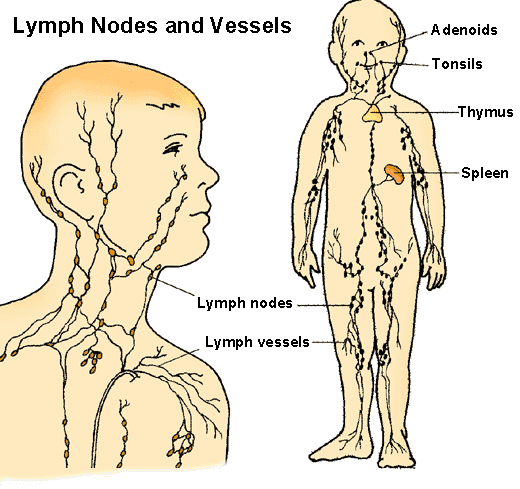 Next would be lymph node involvement. The lymph nodes
loaded with white blood cells as we know are the
filters that can destroy cancer cells being sent out from a cancer site before
it enters the blood stream and potentially able to latch on to other areas of
the body, muscle, bone, organs etc. You will read on our features that the
awesome Natural Killer Cells we have, the all important immune system will be a
determining factor in the body’s ability to consume/destroy tumor cells.
If you are into the Internet post a search "Natural killer cells" If this
doesn't blow your mind nothing will.
Next would be lymph node involvement. The lymph nodes
loaded with white blood cells as we know are the
filters that can destroy cancer cells being sent out from a cancer site before
it enters the blood stream and potentially able to latch on to other areas of
the body, muscle, bone, organs etc. You will read on our features that the
awesome Natural Killer Cells we have, the all important immune system will be a
determining factor in the body’s ability to consume/destroy tumor cells.
If you are into the Internet post a search "Natural killer cells" If this
doesn't blow your mind nothing will.
Lifestyle
Keep in mind your lifestyle will be the determining factor in how potent your killer cells are. In fact your lifestyle changes in particular the intake of refined sugar and grains, the quality of the good fat that you ingest, how you prepare your foods in particular not cooking meats with fat at high temps and much more will determine your fate and don't forget this for one minute. If you are vulnerable to the horror of breast cancer and you are not willing to change your lifestyle, my only comment is "God have mercy on you" especially if you have not experienced the horror and yes the terrorism of breast cancer.
Note: 2-12-11 Lymph Node Removal
This latest study confirms our thoughts regarding lymph node removal as stated above.
Recently there has been a report regarding Lymph node removal from the axilla area of the breast. The report suggested that in some cases the amount of node removal did not increase lifespan in many patients and insinuated that a large amount of nodes, a dozen or more could be excessive and lead to unnecessary lymphedema. Lymphedema can be a serious on going problem. When you take out half or more of the lymph nodes in an area you could be seriously short changing the area, hence Swelling/Lymphedema for life.
It appears the surgical procedure for this removal is not standardized by a long shot. It all depends on the surgeon. We had 12 removed, we know patients that have had 4 removed from the axilla area.
We are told that the sentinel node test on the spot when a lumpectomy is performed or for that matter when a second procedure is performed when there is a question of whether they have achieved clear margins around the initial lumpectomy. Then a on the spot decision is based on the sentinel node test whether to go further and remove more nodes up the chain for subsequent testing after the operation is completed. My guess the quality of testing in a lab is better then testing on the spot.
Quite honestly I believe this sentinel node test can be ambiguous and I further believe that surgeons are inclined to remove extra nodes to play it safe and in the process do not take the patients future problems with Lymphedema serious enough.
What would we do if faced with this situation again?
We sure would not allow the surgeon to take out anymore than a few nodes, 2 or 3 that would include the sentinel node and not having a quickie test while the patient is on the table. In fact we would insist on at least 2 independent lab tissue tests that includes the sentinel node after the operation before deciding what to do.
In our laymen's judgment we would find a surgeon that does not take out large amounts of nodes under any circumstances and would agree to have their lab save enough tissue from these nodes and surrounding areas so that at least two independent labs would have enough tissue to examine. In other words don't give them an excuse to "expedite" the process and possibly put the patient through hell for the rest of their lives with lymphedema.
Update 3-1-11
We have continued to research this breast subject intensely, not only for our own purposes but to help others.
As stated above we had problems obtaining tissue samples of the work in Albany New York.
Most suspected lesions in the breast call for a lumpectomy. They remove the lesion and surrounding tissue to see if there is any invasion outside of usually a milk duct.
There is lymph node testing that involves the sentinel node performed at surgery, the first node in the drainage chain from the breast that could indicate whether cancer has become involved with other nodes. They inject a dye that travels to the nodes and the first node that has the most dye usually indicates that this is the sentinel node.
Our understanding is if the sentinel node is clear, there are no further node implications. Keep in mind that cancer cells may be found in the nodes. This is one of the jobs of the nodes to neutralize cancer cells. Now whether the nodes themselves become tissue malignant is another issue and we believe this can cause some confusion. We believe pathologists and surgeons will tend to conduct them selves on the side of caution. If they find the slightest sign of cancer cells in the nodes they are inclined to check subsequent nodes.
Never the less in some cases the impromptu pathology in the operating room leads to lymph node removal as a precaution. There are serious consequences in removing a large amount of nodes in an area, a lifetime of lymph edema for one. If a second and a third opinion confirmed malignancy in the sentinel node and perhaps a couple more in the first chain then one could consider a subsequent surgical procedure to remove more nodes. It is possible instead of taking any more nodes that immediate radiation could be in order, again if the sentinel and a few nodes were found to be malignant.
Breast Massage
The below exercise should be cleared with your doctor or lymphatic specialist.
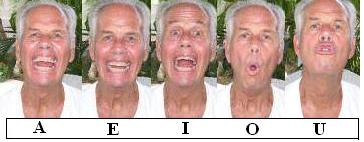 It includes our special A-E-I-O-U,
upper extremity gentle massage by simultaneously saying with emphasis on each letter (One
letter at a time for each cycle) and again very gently rubbing the breasts with
your elbows starting at the nipple and slowly bringing them back underneath the
arm pit. When you start this process you start to expand your chest with deep breathing,
to a full chest expansion, at the same time bringing your shoulders back to the max.
At that point pause and exhale fully
before you start the next cycle and next letter. Again take one letter at a time and you will
notice that each letter will generate a different contortion of facial, neck,
and clavicle movements right down into the shoulder blades.
It includes our special A-E-I-O-U,
upper extremity gentle massage by simultaneously saying with emphasis on each letter (One
letter at a time for each cycle) and again very gently rubbing the breasts with
your elbows starting at the nipple and slowly bringing them back underneath the
arm pit. When you start this process you start to expand your chest with deep breathing,
to a full chest expansion, at the same time bringing your shoulders back to the max.
At that point pause and exhale fully
before you start the next cycle and next letter. Again take one letter at a time and you will
notice that each letter will generate a different contortion of facial, neck,
and clavicle movements right down into the shoulder blades.
Just the chest expansion alone is known to be one of the best means to move lymph fluid. The added measures we incorporate with the chest expansion etc. we believe will enhance the process. Any means that you can stretch the skin in a modest fashion, using our A-E-I-O-U process or simple isometric exercises enhances the crucial lymphatic drainage. Remember "Everything in moderation" Lymph fluid must move, but accelerating the process could be problematic.
I personally do just 2 cycles a day in the morning of A-E-I-O-Us and a 100 lifts on the trampoline pictured below with the safety bar pictured.
 We believe that lymphatic drainage has a direct bearing on Alzheimer's
disease. Incidentally these Ab and Back machines I believe have a
hidden benefit other than bringing in the abs to look pretty. We use one
every day and believe it is very effective in moving lymph fluids from an area
that is highly concentrated with Lymph nodes. Quite honestly I am
surprised that the manufacturers of these devices do not bring this up.
Come on Jake, get on the ball man! I have just about worn out two of your
machines in the past 20 years.
We believe that lymphatic drainage has a direct bearing on Alzheimer's
disease. Incidentally these Ab and Back machines I believe have a
hidden benefit other than bringing in the abs to look pretty. We use one
every day and believe it is very effective in moving lymph fluids from an area
that is highly concentrated with Lymph nodes. Quite honestly I am
surprised that the manufacturers of these devices do not bring this up.
Come on Jake, get on the ball man! I have just about worn out two of your
machines in the past 20 years.
The Trampoline
Anyone would be smart
incorporating the use of a trampoline with a cross bar. Trampolines are the
gold standard in
 moving lymph fluids and teaming them with our exercise regimen
is the ultimate in a healthy lymphatic network. Keep in mind this old fruit
peddlers theory regarding the chicken and the egg because it is quite possible
that inefficient node function could really be the primary cause of breast
cancer and I would invite any medical professional reading this to dispute it. Again let me stress at any age
trampolines can be dangerous. A cross bar (A must) keeps you in the middle of the unit
and protects you from falling off and injuring yourself.
You just cannot do a decent job of bounding off of the mat
without a safety bar. Our youngest daughter was
an athlete and fell off of a trampoline and fractured her arm.
Keep in mind and this is a key point, that the higher you bounce and it
isn't just for the thrill of it, the higher you bounce enhances the
gravitational dynamics and I believe has a profound effect on the movement of
lymphatic fluid. Of course the higher you bounce the risk increases.
The bar also keeps us in the center of the device. Another good reason to
have the bar is the possibility of a spring or springs letting go.
moving lymph fluids and teaming them with our exercise regimen
is the ultimate in a healthy lymphatic network. Keep in mind this old fruit
peddlers theory regarding the chicken and the egg because it is quite possible
that inefficient node function could really be the primary cause of breast
cancer and I would invite any medical professional reading this to dispute it. Again let me stress at any age
trampolines can be dangerous. A cross bar (A must) keeps you in the middle of the unit
and protects you from falling off and injuring yourself.
You just cannot do a decent job of bounding off of the mat
without a safety bar. Our youngest daughter was
an athlete and fell off of a trampoline and fractured her arm.
Keep in mind and this is a key point, that the higher you bounce and it
isn't just for the thrill of it, the higher you bounce enhances the
gravitational dynamics and I believe has a profound effect on the movement of
lymphatic fluid. Of course the higher you bounce the risk increases.
The bar also keeps us in the center of the device. Another good reason to
have the bar is the possibility of a spring or springs letting go.
We have a reservation as to how much time should be spent on a trampoline. Again "Everything in moderation". I personally now that I have incorporated the bar for safety do 100 bounces every day that brings my feet off of the trampoline mat a few inches perhaps 4 or so. (Recently modified after experiencing some spasms in the back of my legs and soreness. I am 75 years old (2010) at this writing and have moderated my aggressiveness considerably).
Caution
Note: We have had recent professional advice regarding the bar and trampoline. Grasping the bar with a firm grip could be a deterrent to creating the gravitational benefits we refer to. Keeping your hands face down flat on top of the bar (Not grasping the bar) and using the bar when there is a momentary destabilization issue is advisable. In other words hang loose. Let the body do its thing from head to toe and minimize holding on to the bar as much as you can safely do it.
In addition, jumping as high as you can off of the mat could be the ticket for young folks and athletes but could be a negative for elderly and create muscular and even skeletal problems. Start slow with minimizing the lift distance off of the mat. Elderly folks can effect a great deal of benefit by lightly bouncing on the mat with little to no lift off. Let your body be the guide.
Swimming pool and lymph fluid movement
I have been experimenting with the swimming pool and bouncing similar to the bouncing action of a trampoline. There is difference with being somewhat weightless in the water versus the action of a trampoline. It is written that swimming does enhance lymph flow. Now how effective the bouncing does is the question. We have written to a professor who is a specialist in lymph fluid movement and hope to post her comments when we receive them.
For those that would want to pass this feature on to anyone with Internet access the link is http://www.blueeyedcurse.com/breastexperience.htm
Recent article on Breast Cancer from Dr. Mercola 2-14-11. It is a must read and subscribing to Dr. Mercola's news letter would be a great idea. He is the best.
Below is a link to a Word Version of article above for easy reading as the above has more letters on a line than can be read.
Click this link for Breast Cancer Word Version
Great article on alternative treatment for Cancer
http://landing.easyhealthoptions.com/landing/fulfillment/cancer/Once-Censored_Cancer_Cures.pdf
Copy and paste above into your address line
Recent excerpt from a feature on Farrah Faucett who died of cancer
Then why did Farrah lose her battle against cancer?
I asked Dr. Jacob where Farrah went wrong in her cancer
treatment. She replied that when Farrah returned to the United States, she went
back to receiving high-dose chemotherapy .
Dr. Jacob doesn't like chemo because it's so toxic. If she uses chemo at
all, she only uses it in low doses -- about one tenth of the amount that
conventional cancer doctors give. And she sometimes recommends chemo-embolization,
as she did in Farrah's case.
Dr. Jacob considers chemo a bad idea unless a chemo sensitivity test is used
to match a patient's cancer cells to the chemotherapy drug that's most likely to
kill them. The test indicates that a specific kind of chemo will work, and
thereby avoids the hit-or-miss approach of conventional cancer doctors, who will
administer one chemotherapy drug after another (in high doses, of course),
hoping to find one that works.
If a chemo sensitivity test shows that no chemo is likely to work against a
particular cancer, Dr. Jacob says NO chemo should be used.
Conventional American cancer doctors don't bother with chemo sensitivity
tests. But that's not to say they choose the chemo drug entirely at random.
Their practice is to match the drug to the organ that has cancer — for example,
liver cancer is treated with drugs thought to be more effective against liver
cancer, breast cancer is treated with drugs supposedly more effective against
breast cancer.
The best information we have is that this approach is mistaken. The
effectiveness of the chemo drug has very little to do with the organ. Instead, a
sample of cancer cells should be taken from the patient and tested in the lab
against a series of chemo drugs to determine which drug is most effective. This
is what's done in chemo sensitivity testing.
Dr. Jacob also reminded me about another factor that contributed to Farrah's
death: the stress of a family crisis . During her struggle against cancer,
Farrah's 25-year-old son, Redmond, got in trouble with the law. He was put
behind bars on April 5, 2009, two months before she died, for a drug offense.
Here's a brief timeline of Farrah's cancer ordeal, to the best of my knowledge:
October 2006: Farrah is
diagnosed with a rare form of cancer — anal cancer — at the age of 59. She
receives surgery and chemo.
November 2006: In the midst of her conventional American cancer treatments,
Farrah says, "I just feel so weak and so sick and I'm in so much pain. I don't
know how I can make it to radiation" (as quoted in her best friend Alana
Stewart's diary).
February 2007: With much fanfare, Farrah's U.S. doctors announce that Farrah is
now cancer free.
May 2007: Farrah's cancer returns. Her U.S. doctors recommend that she undergo a
colostomy — a radical procedure that would have forced Farrah to eliminate her
solid waste into a plastic bag for the rest of her life. Farrah says no. She
instead goes to Germany for alternative treatments.
June 2007: Farrah is treated in Germany by Ursula Jacob, M.D., and her team of
cancer specialists. After receiving a treatment at the University of Frankfurt,
Farrah takes a five-hour van ride back to Dr. Jacob's clinic. Significantly, on
the drive back, Farrah insists on stopping at a fast-food joint where she wolfs
down a gigantic burger and drinks a Coke, her favorite beverage , according to
the diary of Alana Stewart, who accompanied Farrah. Coke is loaded with sugar,
which feeds cancer cells.
This is the latest in medicine, effective for cancer! Lemon (Citrus) is a miraculous product to kill cancer cells. It is 10,000 times stronger than chemotherapy.
Why do we not know about that? Because there are laboratories interested in making a synthetic version that will bring them huge profits. You can now help a friend in need by letting him/her know that lemon juice is beneficial in preventing the disease. Its taste is pleasant and it does not produce the horrific effects of chemotherapy. How many people will die while this closely guarded secret is kept, so as not to jeopardize the beneficial multimillionaires large corporations?
You can eat the fruit in different ways: you can eat the pulp, juice press, prepare drinks, sorbets, pastries, etc... It is credited with many virtues, but the most interesting is the effect it produces on cysts and tumors. This plant is a proven remedy against cancers of all types. Some say it is very useful in all variants of cancer. It is considered also as an anti microbial spectrum against bacterial infections and fungi, effective against internal parasites and worms, it regulates blood pressure which is too high and an antidepressant, combats stress and nervous disorders.
The source of this information is fascinating: it comes from one of the largest drug manufacturers in the world, says that after more than 20 laboratory tests since 1970, the extracts revealed that: It destroys the malignant cells in 12 cancers, including colon, breast, prostate, lung and pancreas...The compounds of this tree showed 10,000 times better than the product Adriamycin, a drug normally used chemotherapeutic in the world, slowing the growth of cancer cells. And what is even more astonishing: this type of therapy with lemon extract only destroys malignant cancer cells and it does not affect healthy cells.
Institute of Health Sciences, 819 N. L.L.C. Cause Street, Baltimore, MD1201
Snail mail us....
We don't publish our e-mail address as it would take us most of the day answering e-mails from the thousands of hits we get each week from all over the world and we do not do this for a profit.
If you are serious about opening up a dialog send us a snail mail. We feel that anyone taking the trouble of doing a snail mail is serious enough for us to respond with our e-mail address. Please include your e-mail address and any questions or input you may have.
Bob Martino
1001 Washington Street
Hollywood, Florida
33019
This information is intended to heighten awareness of potential health care alternatives and should not be considered as medical advice. See your qualified health-care professional for medical attention, advice, diagnosis, and treatments.
Note:
Information on the internet for a good part is notoriously stale. Medical science throughout the world and in the States is moving forward at a rapid pace. Medical protocols that protect the professionals from malpractice suits are still a big factor. Where foreign countries and medical institutions have more latitude and are insulated from suits they still have progressed along with the pace of the American medical establishment and in many cases have maintained their lead in new medical technologies.
The following information is based on our opinion and the opinions of others. Any of this information may or may not apply to you or anyone else and hopefully you can find a health care facility that can correctly treat you. Please be alerted to the fact that information changes on a regular basis in medical technology. What applies in our information could be stale and in some cases inaccurate. Check with your current medical provider for the latest in treatment information.