The 40-30-30 diet regimen is very
similar to the "Zone Diet". I went on the 40-30-30 5 years ago and
it worked like a charm. In addition to the ratio, eating "Good" everything
helps a great deal and you will read below where the fibrous carbs versus the
simple carbs comes into play.
40-30-30 page
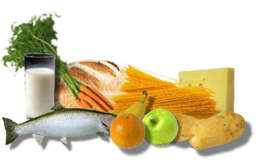
40-30-30: The
numbers refer to percentage of consumption (in terms of caloric value, not weight)
of carbohydrate (40%), protein (30%), and fat (30%) in the optimal fat-burning diet.
30% fat?
That's right. Most people don't realize it, but without consuming fat, your body
actually stores fat. It's not only a scientific fact, but it's also plain common
sense - your body stores what is in short
supply for as long as it can. Most diet
programs emphasize low fat intake, this is widespread - but incorrect - belief is
so prevalent that a whole industry has sprung up around it! Take a look at the
products available on the shelves of your favorite grocery store: notice how
prevalent the emphasis is on "low fat" products and you will begin to get a feel
for the scope of the situation.
Only 40% carbs? That, too, is correct. Most people consume far more
carbohydrates than just 40%, and reducing carbs is a key aspect of the 40-30-30
diet (see Insulin and its Role in the Body
below).
Note: If you observe the above it will pretty easy to observe the information
below, but make no mistake about it the two go hand in hand with one
another to not only burn fat off of your body but to also burn fat from within
your arteries, lymphatic net work, your organs etc.
The Bad Ole Whites
Keep in mind that the body
only needs about 100 grams of carbs a day. One cup of brown rice ( a
white) is about
45 grams of carbs. It is very easy to go over your daily allowance in
carbs.
Top of the white list is
sugar, fructose
derived from corn etc. is another one, all of your starches like rice (White and
Brown) makes no difference. Potatoes including Sweet potatoes a big time
starch/carb that converts to sugar
We counter the negatives
of potatoes by baking or microwaving potatoes and disposing of about 75% of the
pulp and eating the skin with a fair amount of pulp attached to the inside of
the potatoes skin where we believe resides the majority of the powerful benefits
of the potato. Pasta
another white nightmare especially if you don't follow it with a physical
workout. If you are a full time or even a part time athlete or a hard
working laborer you can get away with some complex carbs, again post workout.
There are many carbs that
are disguised. One prominent means is to process grain, strip out all the
goodness so it increases shelf life and to actually color the product brown to
make it look more organic. From a white to a brown scam deluxe. Processed grain
combined with sugar as in baked goods, breads even booze is a classical example of
some of the biggest offenders. All of these
triggers insulin into the
body to store fat.
America's losing battle against
fat
A few interesting facts to help
you get a perspective on the problem:
From the 1960's up
through the 1980's the average weight of Americans remained steady
Within the last
TEN years the number of people considered "overweight" has jumped more than a
third!
Average weight of
these overweight Americans has increased by EIGHT pounds! (This comes from the
Journal of the American Medical Association.)
The commercial
weight loss industry is worth over $10 billion, gross per year!
A recent follow-up
study of 500 "successful dieters" revealed that less than one in seven were
able to keep it off for a year!
Most diet programs
emphasize intake of carbohydrates (you will see why this is so astonishing in
just a few more paragraphs).
WHY
ARE AMERICANS GETTING SO FAT? Most people never
question the idea that "you are what you eat", so it makes sense to them that if
they don't want to be fat, they can't eat fat. Let's look at why this is wrong -
you will have to learn a little endocrinology (the study of hormones), but stick
it out and you will be well rewarded.
Some Background Information
Insulin and
its Role in the Body
Insulin is a hormone
that regulates blood sugar, most of us know that because we've heard of it in
connection with Diabetes - a disease whose sufferers experience chronic high
blood sugar. Inject a dose of insulin and blood sugar drops. But that's not all
that insulin does; insulin also triggers the body to store fat. This is so
important it bears repeating: INSULIN TRIGGERS THE BODY TO STORE FAT.
Carbohydrates, the cornerstone of most diets, raise blood sugar levels. Raise
your blood sugar level by consuming carbohydrates, your body releases excessive
amounts of insulin, your body stores fat, your blood sugar level plummets to
abnormally low levels and, bang, you're hungry again! Once again, Carbohydrates trigger your body to
release insulin, insulin causes the body to store fat.
This would be a good paragraph to read again. Now, you have a new weapon in the
battle against carbs:
You will read in
our livehealthy.htm feature our theory on the fact that a diet that stays close
to the 40-30-30 principles not only burns fat off of your hide as in weight loss
programs, we believe it burns the same fatty plaque substance in your
cardiovascular network, your critical lymph network and guess what your brain is
a glucose intensive area of your body and prone to fatty plaque build up.
We believe that a 40-30-30 regimen has the ability to do the same for your brain
as it does for your rump. Check out our
http://www.blueeyedcurse.com/livehealthy.htm feature
The
Curse of the Munchies - Explained
(Munchies on
the left are the munchies you should munch on)
Lets back up a step
now. We have all had an attack of the "munchies" and we all have our favorite
munchies food - think back about your last attack of the munchies - what did you
reach for? Odds are ten to one, it was a carbohydrate of some sort (if you're a
dieter, it was probably a "low fat" version, wasn't it?) - chips, candy,
pastries, ice cream, donuts, whatever - guaranteed it was a carbohydrate! Why?
Because you were coming off an excessively low drop in blood sugar and your body
was screaming for food - carbohydrates, in specific - because you needed to get
your blood sugar level up to a normal level again (glucose - "blood sugar" - is
the only food your brain can consume, that's why you crave it, and that's why we
get grumpy when we're hungry). What happened next? How did your binge make you
feel? Well, besides the endorphine rush triggered if you over-ate, you had a
rush of energy, followed by a dramatic crash. Athletes call this "bonking" or
"hitting the wall" - zoom, you're out of blood sugar and you're out of energy.
Wait a while and you're hungry again. Do you see the cycle?
Blueeyedcurse.com NOTE:
Our personal experience regarding blood sugar. The body needs a steady
supply of sugar, it is just a question of how much? We believe the
blood stream has about 2 teaspoons at all times and if it goes just a little
below this number, one can easily go into a coma.
Now we borrowed a page, as we have borrowed many pages from the weight
watchers regimen that calls for up to 5 fruits a day. (Our fruit intake is fruit
and berries on cereal ( cereal being freshly ground flax seed, whole pumpkin seed
chewed good, nuts and a touch of Fiber One in soy milk) for breakfast, half a
glass of orange juice (with water and whey protein) midmorning, fruit and berries in plain yogurt
for lunch, an apple mid afternoon and fruit and berries with plain yogurt at
supper time) Weight watchers doesn't go into much detail as far as why and
where, as long as you do the point system. We don't do points.
Our assumption is that the 5 fruits a day supply all of our sugar needs, and in
fact because of the complex carbohydrate nature, along with the fiber
content this releases sugar in a very controlled manner that does not
alert the pancreas/insulin production. Now if the fruit servings are modest and they should be,
(a medium size apple for example, a half a glass of orange juice with whey
protein powder and water is another) the sugar
will be utilized for the bodies needs and the balance will be consumed and
depleted entirely in the energy needs process, as we know sugar is an
energy food. Now after the sugar is depleted, and one is conducting
a moderate exercise regimen, the body will seek out fat for the balance of
its daily needs. We also have a theory that fats, especially the
stored fats have a delegation of impurities (toxicity) attached similar to what has been
discovered in the visceral areas of the stomach, rump etc. These too will be burned
and hopefully leaving you with a "clean as a hounds tooth condition".
We
have recently wrote a feature
http://www.blueeyedcurse.com/wish.htm where we vision someone wishing they
could eliminate cancer, heart disease and lose a bunch of weight in one swoop.
We came to the conclusion that the same process that burns fat, burns fatty
plaque from your arteries and lymph vessels. Therefore burning off fat in
your arteries will prevent heart disease, keeping your lymph system clean of
sticky fat, the gate keeper keeping out cancer cells from infiltrating your body
and the resultant tumors along with slimming down is just what the Doctor
ordered.
Insulin Part Two
While you're involved
in the vicious cycle of eating lots of carbohydrates, racing, crashing, and
eating more carbohydrates, your insulin surges are busy making your body store
away fat!
Carbohydrates stimulate insulin
production and secretion, and insulin causes your body to store fat, but you've
got to eat! The good news: the consumption of protein (lean meat, poultry, fish,
eggs, tofu, etc.) stimulates the body to produce and release another hormone,
glucagon, which blocks the effects of insulin. Consume protein and you will
go a long way towards getting off the carbohydrate-insulin roller coaster. Right
now, if you are an astute reader you may be wondering why 40% carbohydrate, and
only 30% protein? Wouldn't it be better to try to balance the amount of protein
and carbohydrates consumed to be equal? Well, we haven't talked about fat yet -
the other "30".
Glucose Regulation
Glucagon is
a hormone, secreted by the pancreas, that raises blood glucose levels. Its
effect is opposite that of insulin, which lowers blood glucose levels.
This may seem contradictory to the negatives of high glucose but you have to
read on.....
The pancreas
releases glucagon when blood glucose levels fall too low. Glucagon causes
the liver to convert stored glycogen into glucose, which is released into the
bloodstream. Glucagon also stimulates the release of insulin, so that
glucose can be taken up and used by insulin-dependent tissues. Thus,
glucagon and insulin are part of a feedback system that keeps blood glucose
levels at the right level. Glucagon belongs to a family of several other
related hormones.
(The above
statement on keeping the blood glucose at the right level is significant.)
There has been a
recent flurry of information regarding what your fasting glucose levels should
be. There are some that are advocating levels as low as 70 to 85.
They are pushing supplements natural and otherwise to artificially lower these
levels, as it is almost impossible to do it with your normal lifestyle.
This is on par with artificially lowering cholesterol and I firmly disagree with
any of these approaches.
My personal
fasting glucose level has been 95 for years. I also keep an eye on
my triglycerides that are an indicator of how much fat is being circulated in my
blood and my readings of 75 or so do not indicate a problem. Folks that
have high triglyceride levels over a 100 have to be concerned. Another
important yard stick is your calcium levels that you will receive with the
standard CBC blood run. They should be in the normal range. Calcium
is one of the most important minerals in your body regarding regulation as it
was in our agricultural career. When we had our pH regulated with our
calcium/magnesium applications everything started to go into place.
I believe my
normal readings it indicates stability. I attribute this stability to an
off shoot of the 40-30-30 diet regimen that I used to lose 30 pounds in just
about a year and have continued to follow the principles.
In addition to the
40-30-30 program taking weight off, we have written that this regimen has the
ability to reduce fatty arterial plaque and clean out the lymph network at
the same time. Keep in mind that the lymphatic net work transports fatty
substances in its normal function and is prone to waste accumulation
issues if things are not balanced. Glucagon provides this balance. A
40-30-30 balanced diet with a normal amount of calories consumed will provide
this balance.
Now if you believe
that the production of glucagon accomplishes these goals and in the bargain
regulates the critical glucose levels you are talking a powerful tool toward
good health and long life.
Blueeyedcurse.com NOTE:
As stated before,
approximately 35 to 40% of our
total caloric intake is derived from fat, but that translates into about 20% of
our total volume of food measured in any way you choose as we try to keep our
fat in line recognizing that fat has twice the amount calories per gram than
protein or carbohydrates. Since going on
this 35-30-35 diet (our modified version) give or take, we have
closely monitored our triglycerides that measures fat content in the blood
stream and have found them to be much less (in the 70 MG/DL range) than before
we consumed this amount of primarily good fat, good fats again being,
nuts, seed, fish, fish and borage oil supplements, as well as olive and
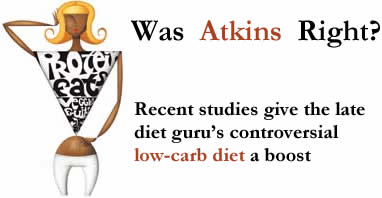
macadamia oils for cooking and salads. Although we respect the Atkins
principals of high amounts of animal fats in the diet for weight loss programs,
we believe that dieters that are not very active physically are at a much high
risk than the proverbial Eskimo and lumberjacks that consume huge amounts of
animal fat, but burn it off, where the less active put an undue burden on
their kidneys and liver, as well as accumulating some of this fat residue,
that isn't burned, in their artery walls and heart portals. To be
fair to the Atkins program, they have an initial phase, sort of a crash course
to get a good portion of the weight off, but swing into a more moderate regimen
in their maintenance phase. The ideal ratio of
essential fatty acids are 2 to 3 to one, Omega 6s over Omega 3s. 1
to 1 is even better, but you really have to pig out on sardines and salmon,
plus fish oil supplements to do it.
There is a confusion that I would like to
clear up with you avid health oriented readers. In fact there appears to
be a conflict with some of our writings regarding doing the 40-30-30 or our
modified 35-30-35 diet and trying to achieve a 75% alkaline to 25% acid
diet ratio. On the face of it with only a 35% carbohydrate intake it would
seem that the 75% alkaline ratio would again be hard to obtain, as we know
that the major part of your alkalinity intake must be derived from fruits and
vegetables. Right off the bat you could easily come to the conclusion that the 35% carbohydrate intake
may not measure up to the recommended 75% alkaline goal. I have
struggled with this issue the past year in my own regimen and have come to the
following conclusions. First you are dealing with measurements.
Servings/Cups/Grams. An average apple has 20 grams of carbohydrates, where
if you were to take as an example, my daily habit and mid afternoon snack,
which does include an apple or 20 grams of carbs, a few pieces of chicken,
perhaps an ounce, lets say 8 grams of protein and throw in a
couple of grams of fat from the chicken. Now factor in an ounce of mixed
nuts that have a ratio of about 3 grams of carbs, 3 grams of protein and 8 grams
of fat. Now if you total up the whole smear you come up with 23 grams of
carbs, because of the nut contribution, the protein would be 11, 8 from the
chicken and 3 from the nuts. The fat would be 2 from the chicken and 8
from the nuts or 10 total, So on the face of it you are looking at a
23-11-10 ratio. This would be out of whack but it isn't if you subscribe
as I do to Dr. Atkins and
his "Net Carb" theory, where he deducts the amount of fiber from a carb to
come up with his "Net Carb" results. My guess is an apple could have 10
grams of fiber and if it does you are reducing the carbs from 23 to 13 and real
close to a balanced snack
that should not put your pancreas and insulin
production into high gear. Now don't try to accomplish this with a milk shake with almost zero fiber or a donut where whatever fiber was in the
ingredients have been disemboweled. Processed grains not only have
lost their fiber content, but they have a nasty way of producing sugar similar to
the volatile reaction from grain and sugar in the process of making moonshine.
Now just to end this whole thing on a humorous note and one that you can
regularly associate with regarding your errant habits of the past. If you
are going to hibernate for the winter like a He-bear or a Momma bear, by
all means load up on the sugar/carbohydrates/fat production process in
preparation for
your stint in the cave. Disregard the toxic material you will be saddling
yourself with, along with the fat because your only goal is to survive the
long drawn out winter and certainly putting years and years of quality time on
to your life span is not in any way your concern. Wouldn't it be nice if
you had a supermarket to supply you with your food all winter in just the right
proportions that you need to survive and not worry about becoming hog fat like
that the poor soul in the photo above.
Animal diets
We have had an experience lately with our
beloved little (not so little) Kristina our Maltese pooch. She recently
was misdiagnosed and rediagnosed by a couple of good Vets. It
appears that the diet that we have been feeding her was too rich and out of
balance and for this I am personally embarrassed. I am embarrassed because I should have
had the sense to apply to our pet what we have applied to our own diets, or at
least taking into account that a dogs diet differs some from humans and dogs
are primarily carnivorous animals. Never the less balance is critical in any diet
and if you have read our human version above you will see where a proper balance
will stimulate what they refer to as the fat burning hormone glucagon.
Conversely high carb diets especially the bad carbs stimulate the hormone
insulin that is the fat storing hormone. Fat storing is usually
accompanied with triglycerides and high cholesterol which translates to acid
wastes where you don't want them and Alzheimer's, cancer and heart disease just
love to latch on to tissue acid waste. It is just like candy to a baby,
bring it on so I can spend the rest of my life crippled pitifully while my family
suffers along with me, because I had to feed my sweet tooth.
Besides Kristina's overweight (about 25%
above normal) she was diagnosed with a high triglyceride reading and high
cholesterol as well. We thought we were feeding her the best pet food
that money can buy and Wysong is probably the best pet food money can buy,
but we neglected to read the labels that are on the food packages. If we
did we would have seen that some of the foods instead being a staple,
should be used sparingly as a treat and a topping.
So after we received the blood work we
asked the vet for their recommendations and of course they had a commercial pet
food that was designed for overweight and animals with the cardiovascular
problems associated with triglycerides and cholesterol. It is an analysis
that is higher in carbs and for carnivorous animals that have been on high
protein meat diets it isn't easy for them to accept. Animals need the
benefits of good carbs. We are talking properly processed fruits and
vegetables and whole grains with all of their antioxidants and minerals as well
as fiber to carry the bad stuff out of the system including cholesterol.
Lipitor may be able to drive your cholesterol numbers down but even at 150 to
170 if you are not eating the right foods and fiber you are still at risk.
I personally carry a 225 to 240 Cholesterol reading but I have a high fiber
diet, I take in a generous amount of sun every day that works with Cholesterol,
exercise, a 70 Hdl reading normal blood pressure, a recent heart stress
test passing with flying colors and there is no way in hell I am going to
subject myself to Lipitor no matter what that artificial heart Doctor says on TV.
So we undertook an Internet research
session to determine what to do.
First a few facts and conclusions
1. Again dogs are a carnivorous animals and
anywhere we have read the recommendation is raw lean meat. Dogs can live
on meat and do get a certain amount of carbs from undigested food in the stomachs
from the prey they eat along with plenty of fat. Other than our pussy cats
that we may allow to feed in the wild we do not for the most part allow our dogs
to hunt prey so this has to be taken into account.
2 Activity. A dog that lays around
the house and yard all day with hopefully at least one good walk by their master
is really not getting enough activity to burn off the fat that they would
consume in a natural environment. So in this case an adjustment has to be
made.
3. Again the commercial science diets that
are high in carbs are o.k. but they may be unacceptable to the dogs palate unless you half starve
the dog to the point they will eat anything.
4. Diversity. As in any diet
diversity is very important. Feeding any living being the same diet day in
and day out is just wrong. They may advertise that commercial applications
are the perfect balance for your pet but this is not correct. You must
bring in different foods to the diet almost on a daily basis or perhaps 3 to 4
times a week. In other words the same combination on Monday is
served again Thursday.
We decided to study what they refer to as
the dry analysis of different commercial foods, the foods the vets had and Wysong.
We found that Wysong had certain foods that had the same dry analysis of the vets
food. A different composition and we believe a much better quality food
including how it is processed. Food that is cooked or over cooked has
little benefits other than just for survival purposes. It turned out that
our dog actually rejected the Vets Carbohydrate heavy food, but accepted
Wysong when mixed with the good stuff, meat. We want our dogs to live
beyond the conventional time extension as we do ourselves. It can be done.
Now as I did in my
40-30-30 regimen in which I lost 30 lbs in about a year, I analyzed the foods I
ate regarding calories and analysis to try to come close to the recommended
40-30-30 target. As you will read I am a very active fellow so my proportion of
fat is higher than recommended. When I say fat I am talking good fat, from
nuts, seed, olive oil, fish and fish oil etc., not saturated fat as in fatty
meats, although there is room for animal fats if they are not cooked at high
temps, where the molecular structure of the fat creates a dangerous
damaged cholesterol scenario and humans can borrow a page from this for sure.
Again a dog has a different stomach, they can safely eat raw meat even rotten
meat where a human can’t and can assimilate fats more efficiently. If they are
not active, playing, running etc. I believe the same saturated fat limitation
should apply as it is in human intake especially if the subject is showing
negative numbers in the cardiovascular department.
We put together a sample meal for our
Kristina that was broken up into 4 different components.
A Wysong dry senior diet 28% Protein, 12%
fat and 60% Carbohydrates
The second component was a canned wet
senior diet food that had about the same analysis, but the foods in it were
different, although the mineral and enzymes were about the same.
The third component was a Wysong product
that they call "All meats" and you can buy a handy 6 pack that has 6 different
meats, turkey, beef, rabbit, venison etc. Again we favor Wysong because we
believe in the process they use in preparing their foods especially in the care
concerning cooking and not destroying the benefits let alone changing the
molecular structure of the fats with high heat. You barbecue fans should
be conscious of cooking meat with fat at high temps, which many claim is a
certain path to cancer. Now these meats are all Protein and some
fat. We roughly calculate that in a 100 percentile there is 60% protein
40% fat and zero carbs.
The 4th component in this mix is raw meat.
To make it easy one of the raw meats is ground lean hamburger, that my wife
makes up in small balls and is immediately frozen. These balls are
intermittently served as the portion of lean meat. When we have steak a
portion is cut off raw, chicken, lamb, lean pork etc. Lets assume that
this same percentile is the 60% protein, 40% fat and zero carbs. Actually
I believe that the Wysong all meats are heavier in fats where the lean meat we
serve her is less, but it averages out.
O.K. Now if we apply 25% of each of the 4
components to the mix we have calculated the following analysis. One
example would be the 60% Carbohydrate content in the seniors dry diet and wet as
well if calculated at 25% would simply come out to a factor of 15. Another
example would be the meat only... 60 divided by 4 (25%) would come out to 15 and
the fat at 40 divided by 4 (25%) comes out to 10.
So on this basis lets do a chart. and just
put in the 25% factor to each component. If want to check the total just
multiply it by 4.
Senior Dry
Protein 7 Fat 3
Carbohydrate 15
Senior Wet
Protein 7 Fat 3
Carbohydrate 15
Wysong all meat
Protein 15 Fat 10
Carbs
0
Raw meat
Protein 15 Fat 10
Carbs
0
Totals
Protein 44 Fat 26
Carbs
30
Now this is not what would be considered
the perfect human ratio as the human target is 40% Carbs, 30% Protein, 30% Fat
to achieve the perfect balance.
We are told Dogs in particular being
carnivorous need a heavier amount of Protein. I personally have my
reservations about this and if we cannot get our dog down in her weight I
personally would be inclined to try and get more carbs in her, but it wont be
easy. She like most dogs are meat eating puppies.
I think it is important to address
something that is very important in human diets especially one where weight loss
is desired and again to lower those critical cardiovascular numbers as weight
loss and the numbers are closely related. I copied a snippet from our
material in the main section and there is no question you can apply it to your
pet and especially if you want to please them and feed their face with sweets.
You want to burn fat, you want to lower your Cholesterol, you don't want
stenosis and stents occupying your heart network, read the snippet below and
understand what the hell you are doing when you indulge in refined sugars and
grain, because these puppies are the root to most evils as they apply to the
heart and just about everything else.
You want to indulge in candies, ice
cream, cookies and cakes and the high sugar boozes don't even bother going
to an endoconologist go to a shrink because you need help in deciding whether
you want to make old bones or join the rest of the jerks that have eaten themselves
into the ground with the wrong sugars. Keep in mind though you need sugar,
but only a little bit and fruit with its fiber should provide this as the fiber
controls the releasing of the sugar into your system without
alerting your pancreas and insulin production.
This
information is intended to heighten awareness of potential health care
alternatives and should not be considered as medical advice. See your qualified
health-care professional for medical attention, advice, diagnosis, and
treatments.
 40-30-30: The
numbers refer to percentage of consumption (in terms of caloric value, not weight)
of carbohydrate (40%), protein (30%), and fat (30%) in the
optimal fat-burning diet.
40-30-30: The
numbers refer to percentage of consumption (in terms of caloric value, not weight)
of carbohydrate (40%), protein (30%), and fat (30%) in the
optimal fat-burning diet.
 A few interesting facts to help
you get a perspective on the problem:
A few interesting facts to help
you get a perspective on the problem: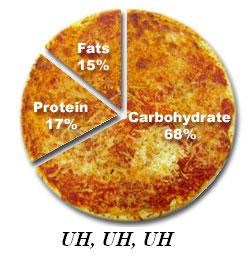 WHY
ARE AMERICANS GETTING SO FAT?
WHY
ARE AMERICANS GETTING SO FAT? The
Curse of the Munchies - Explained
The
Curse of the Munchies - Explained  Blueeyedcurse.com NOTE:
Our personal experience regarding blood sugar. The body needs a steady
supply of sugar, it is just a question of how much? We believe the
blood stream has about 2 teaspoons at all times and if it goes just a little
below this number, one can easily go into a coma.
Now we borrowed a page, as we have borrowed many pages from the weight
watchers regimen that calls for up to 5 fruits a day. (Our fruit intake is fruit
and berries on cereal ( cereal being freshly ground flax seed, whole pumpkin seed
chewed good, nuts and a touch of Fiber One in soy milk) for breakfast, half a
glass of orange juice (with water and whey protein) midmorning, fruit and berries in plain yogurt
for lunch, an apple mid afternoon and fruit and berries with plain yogurt at
supper time) Weight watchers doesn't go into much detail as far as why and
where, as long as you do the point system. We don't do points.
Our assumption is that the 5 fruits a day supply all of our sugar needs, and in
fact because of the complex carbohydrate nature, along with the fiber
content this releases sugar in a very controlled manner that does not
alert the pancreas/insulin production. Now if the fruit servings are modest and they should be,
(a medium size apple for example, a half a glass of orange juice with whey
protein powder and water is another) the sugar
will be utilized for the bodies needs and the balance will be consumed and
depleted entirely in the energy needs process, as we know sugar is an
energy food. Now after the sugar is depleted, and one is conducting
a moderate exercise regimen, the body will seek out fat for the balance of
its daily needs. We also have a theory that fats, especially the
stored fats have a delegation of impurities (toxicity) attached similar to what has been
discovered in the visceral areas of the stomach, rump etc. These too will be burned
and hopefully leaving you with a "clean as a hounds tooth condition".
Blueeyedcurse.com NOTE:
Our personal experience regarding blood sugar. The body needs a steady
supply of sugar, it is just a question of how much? We believe the
blood stream has about 2 teaspoons at all times and if it goes just a little
below this number, one can easily go into a coma.
Now we borrowed a page, as we have borrowed many pages from the weight
watchers regimen that calls for up to 5 fruits a day. (Our fruit intake is fruit
and berries on cereal ( cereal being freshly ground flax seed, whole pumpkin seed
chewed good, nuts and a touch of Fiber One in soy milk) for breakfast, half a
glass of orange juice (with water and whey protein) midmorning, fruit and berries in plain yogurt
for lunch, an apple mid afternoon and fruit and berries with plain yogurt at
supper time) Weight watchers doesn't go into much detail as far as why and
where, as long as you do the point system. We don't do points.
Our assumption is that the 5 fruits a day supply all of our sugar needs, and in
fact because of the complex carbohydrate nature, along with the fiber
content this releases sugar in a very controlled manner that does not
alert the pancreas/insulin production. Now if the fruit servings are modest and they should be,
(a medium size apple for example, a half a glass of orange juice with whey
protein powder and water is another) the sugar
will be utilized for the bodies needs and the balance will be consumed and
depleted entirely in the energy needs process, as we know sugar is an
energy food. Now after the sugar is depleted, and one is conducting
a moderate exercise regimen, the body will seek out fat for the balance of
its daily needs. We also have a theory that fats, especially the
stored fats have a delegation of impurities (toxicity) attached similar to what has been
discovered in the visceral areas of the stomach, rump etc. These too will be burned
and hopefully leaving you with a "clean as a hounds tooth condition".  OK, here it is: fat is bad. That's
the lie. Now brace yourself, because here is the truth: YOU NEED TO EAT FAT;
THERE ARE GOOD AND BAD FATS. While you're recovering from that one, try this
one out for size: you also need cholesterol. Whoa! Is this great or what? A
properly balanced diet has you eating two of this decade's biggest diet villains
- fat and cholesterol! THE TRUTH IS, FAT SLOWS THE ABSORPTION OF CARBOHYDRATES,
AND YOUR BRAIN IS COMPOSED LARGELY OF CHOLESTEROL! This means that you can
safely go ahead and eat proteins that contain cholesterol (that is why we're
afraid of protein-rich foods, isn't it?) and foods that contain fat - but good
fats
OK, here it is: fat is bad. That's
the lie. Now brace yourself, because here is the truth: YOU NEED TO EAT FAT;
THERE ARE GOOD AND BAD FATS. While you're recovering from that one, try this
one out for size: you also need cholesterol. Whoa! Is this great or what? A
properly balanced diet has you eating two of this decade's biggest diet villains
- fat and cholesterol! THE TRUTH IS, FAT SLOWS THE ABSORPTION OF CARBOHYDRATES,
AND YOUR BRAIN IS COMPOSED LARGELY OF CHOLESTEROL! This means that you can
safely go ahead and eat proteins that contain cholesterol (that is why we're
afraid of protein-rich foods, isn't it?) and foods that contain fat - but good
fats
 this amount of primarily good fat, good fats again being,
nuts, seed, fish, fish and borage oil supplements, as well as olive and
macadamia oils for cooking and salads. Although we respect the Atkins
principals of high amounts of animal fats in the diet for weight loss programs,
we believe that dieters that are not very active physically are at a much high
risk than the proverbial Eskimo and lumberjacks that consume huge amounts of
animal fat, but burn it off, where the less active put an undue burden on
their kidneys and liver, as well as accumulating some of this fat residue,
that isn't burned, in their artery walls and heart portals. To be
fair to the Atkins program, they have an initial phase, sort of a crash course
to get a good portion of the weight off, but swing into a more moderate regimen
in their maintenance phase. The ideal ratio of
essential fatty acids are 2 to 3 to one, Omega 6s over Omega 3s. 1
to 1 is even better, but you really have to pig out on sardines and salmon,
plus fish oil supplements to do it.
this amount of primarily good fat, good fats again being,
nuts, seed, fish, fish and borage oil supplements, as well as olive and
macadamia oils for cooking and salads. Although we respect the Atkins
principals of high amounts of animal fats in the diet for weight loss programs,
we believe that dieters that are not very active physically are at a much high
risk than the proverbial Eskimo and lumberjacks that consume huge amounts of
animal fat, but burn it off, where the less active put an undue burden on
their kidneys and liver, as well as accumulating some of this fat residue,
that isn't burned, in their artery walls and heart portals. To be
fair to the Atkins program, they have an initial phase, sort of a crash course
to get a good portion of the weight off, but swing into a more moderate regimen
in their maintenance phase. The ideal ratio of
essential fatty acids are 2 to 3 to one, Omega 6s over Omega 3s. 1
to 1 is even better, but you really have to pig out on sardines and salmon,
plus fish oil supplements to do it.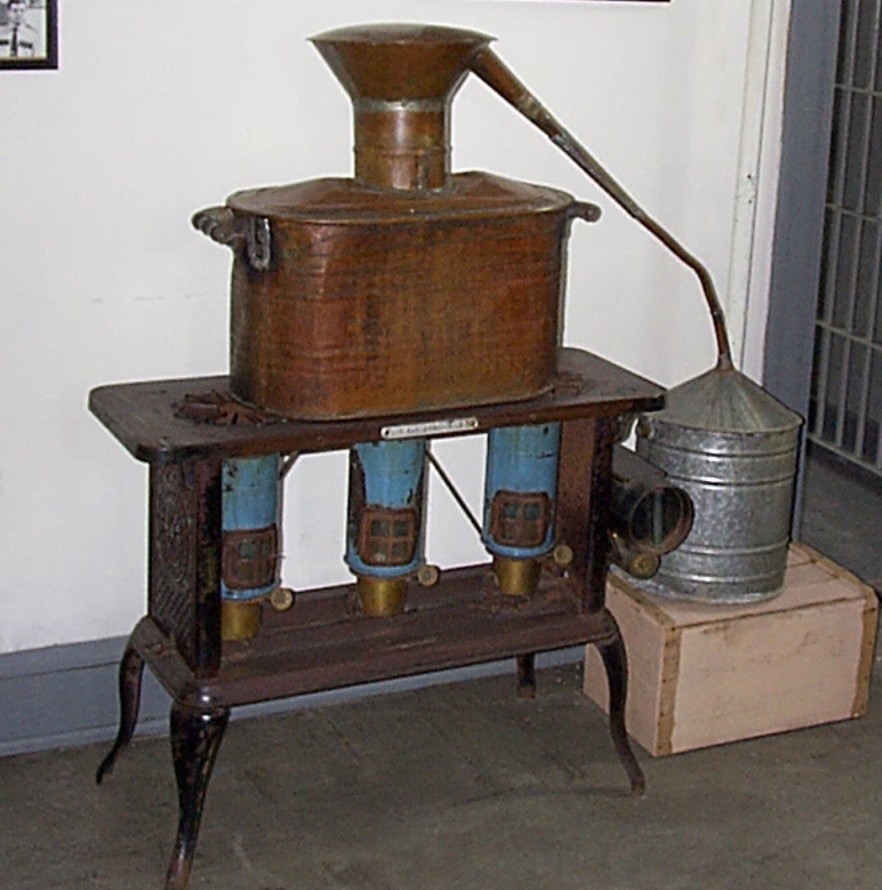 that should not put your pancreas and insulin
production into high gear. Now don't try to accomplish this with a milk shake with almost zero fiber or a donut where whatever fiber was in the
ingredients have been disemboweled. Processed grains not only have
lost their fiber content, but they have a nasty way of producing sugar similar to
the volatile reaction from grain and sugar in the process of making moonshine.
Now just to end this whole thing on a humorous note and one that you can
regularly associate with regarding your errant habits of the past. If you
are going to hibernate for the winter like a He-bear or a Momma bear, by
all means load up on the sugar/carbohydrates/fat production process in
preparation for
your stint in the cave. Disregard the toxic material you will be saddling
yourself with, along with the fat because your only goal is to survive the
long drawn out winter and certainly putting years and years of quality time on
to your life span is not in any way your concern. Wouldn't it be nice if
you had a supermarket to supply you with your food all winter in just the right
proportions that you need to survive and not worry about becoming hog fat like
that the poor soul in the photo above.
that should not put your pancreas and insulin
production into high gear. Now don't try to accomplish this with a milk shake with almost zero fiber or a donut where whatever fiber was in the
ingredients have been disemboweled. Processed grains not only have
lost their fiber content, but they have a nasty way of producing sugar similar to
the volatile reaction from grain and sugar in the process of making moonshine.
Now just to end this whole thing on a humorous note and one that you can
regularly associate with regarding your errant habits of the past. If you
are going to hibernate for the winter like a He-bear or a Momma bear, by
all means load up on the sugar/carbohydrates/fat production process in
preparation for
your stint in the cave. Disregard the toxic material you will be saddling
yourself with, along with the fat because your only goal is to survive the
long drawn out winter and certainly putting years and years of quality time on
to your life span is not in any way your concern. Wouldn't it be nice if
you had a supermarket to supply you with your food all winter in just the right
proportions that you need to survive and not worry about becoming hog fat like
that the poor soul in the photo above.